
How to Launch Your Own Healthcare Product with Contract Manufacturing?
Tablet Manufacturers in Mohali
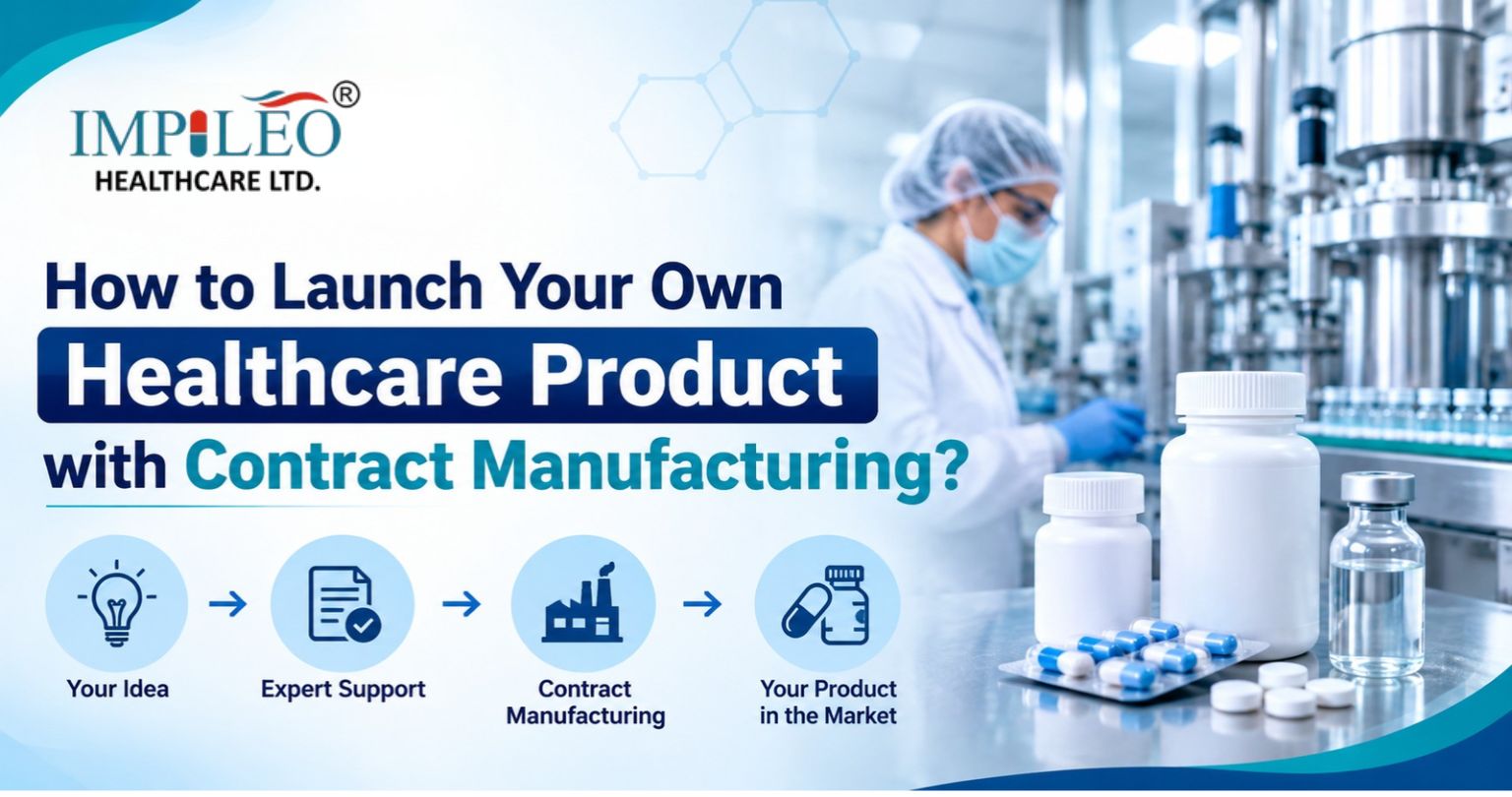
Launching a healthcare product can be a promising business opportunity, but turning an idea into a market-ready product requires careful planning, technical expertise, and the right manufacturing support. Healthcare product contract manufacturing offers businesses an opportunity to develop and sell products under their own brand without investing in manufacturing facilities, expensive machinery, or an in-house production team.
Whether you want to introduce nutraceutical supplements, herbal formulations, Ayurvedic products, capsules, tablets, or syrups, partnering with an experienced third-party manufacturer can simplify the process. From product formulation and raw material selection to quality testing, packaging, and final production, a reliable manufacturing partner helps manage several important stages.
For startups, healthcare entrepreneurs, distributors, and established businesses, contract manufacturing provides a practical way to enter the healthcare market while focusing on branding, marketing, and distribution.
Let’s understand how you can launch your own healthcare product through contract manufacturing and what you should consider before getting started.
1. Identify Your Healthcare Product and Market
The first step towards launching a healthcare product is identifying what you want to manufacture and who your target customers will be. A clear product idea helps you make better decisions about formulation, packaging, pricing, and marketing.
Start by researching the healthcare segment you want to enter. Consider current consumer requirements, product demand, competitor offerings, and the specific problems your product intends to address.
For example, you may consider developing products in categories such as:
- Nutraceutical supplements: Vitamins, minerals, protein supplements, and nutritional formulations.
- Herbal products: Plant-based formulations developed using suitable herbal ingredients.
- Ayurvedic products: Traditional formulations developed according to applicable Ayurvedic requirements.
- Health supplements: Products designed to support specific nutritional needs.
- Specialised formulations: Products available in different dosage forms, depending on their intended use and regulatory classification.
Before finalising your product, assess whether there is sufficient market demand and whether you can differentiate your offering from existing brands.
2. Understand the Contract Manufacturing Process
Contract manufacturing allows a business to outsource product development and production to a specialised manufacturing company. Instead of establishing your own production facility, you work with an experienced manufacturer that has the necessary infrastructure, equipment, and technical capabilities.
This arrangement is particularly useful for new healthcare businesses that want to launch products without taking on the financial and operational responsibilities of running a manufacturing unit.
A typical third-party manufacturing process includes the following stages:
- Product selection: Finalise the healthcare product you want to introduce.
- Manufacturer selection: Identify a suitable company with relevant manufacturing capabilities.
- Formulation discussion: Discuss ingredients, specifications, dosage forms, and product requirements.
- Cost estimation: Review production costs, packaging expenses, and minimum order quantities.
- Documentation: Complete applicable agreements, product documentation, and regulatory requirements.
- Manufacturing: Begin production after the formulation and other requirements are approved.
- Quality testing: Conduct relevant quality checks before product release.
- Packaging and delivery: Complete approved packaging, labelling, and dispatch.
Having a clear understanding of these stages helps you plan your product launch more effectively.
3. Choose the Right Third-Party Manufacturer
Selecting the right manufacturing partner is one of the most important decisions when launching your healthcare brand. Your manufacturer’s infrastructure, quality standards, technical capabilities, and operational practices can directly influence your product’s consistency and reliability.
Do not select a manufacturer based only on the lowest quotation. Instead, evaluate its manufacturing experience, certifications, product categories, quality management systems, and ability to fulfil your requirements.
Consider the following factors before making a decision:
Check Manufacturing Certifications and Compliance
Look for a manufacturing facility with relevant certifications and licences for the product category you intend to manufacture.
Depending on the product and applicable regulations, you may need to verify:
- GMP compliance and relevant certification.
- ISO certification and its applicable scope.
- WHO-GMP certification, where applicable.
- Appropriate manufacturing licences.
- Product-specific regulatory approvals.
- Quality control and testing procedures.
Remember that certifications alone do not replace the need to verify the manufacturer’s actual facilities, licences, and regulatory compliance.
Evaluate Production Infrastructure and Capabilities
A reliable manufacturer should have suitable infrastructure for the products you want to develop. Check whether the company can manufacture your preferred dosage forms and handle your expected production volume.
You should also understand its production capacity, raw material sourcing practices, packaging facilities, and quality assurance procedures.
Review Quality Assurance Practices
Quality assurance is essential in healthcare product manufacturing. Ask how the manufacturer evaluates incoming raw materials, monitors production processes, maintains batch records, and conducts finished-product testing.
These checks help establish consistency and support compliance with applicable product standards.
4. Finalise Your Product Formulation and Ingredients
Once you have selected a suitable manufacturing partner, the next step is to finalise the product formulation. This stage involves deciding which ingredients, concentrations, and dosage forms are appropriate for your product.
Your formulation should be developed according to the intended product category, applicable regulations, ingredient compatibility, safety requirements, and quality specifications.
For example, if you are developing a nutraceutical supplement, you may need to consider:
- Selection of suitable vitamins and minerals.
- Ingredient quality and sourcing.
- Appropriate nutritional composition.
- Stability and shelf-life requirements.
- Ingredient compatibility.
- Product specifications and testing parameters.
For herbal and Ayurvedic products, ingredient selection should also consider applicable regulatory requirements, permitted ingredients, formulation standards, and appropriate quality checks.
Discuss your requirements with the manufacturer’s technical team before approving the final formulation. A well-planned formulation provides a foundation for consistent manufacturing and product development.
5. Decide on Packaging, Labelling, and Branding
Packaging is an important part of launching your own healthcare product. It protects the product, communicates essential information, and helps customers recognise your brand.
Your packaging should be suitable for the product’s dosage form, storage conditions, stability requirements, and intended distribution channels.
Common packaging options include:
| Product Type | Common Packaging Options |
|---|---|
| Capsules | HDPE bottles, blister packs |
| Tablets | Blister packs, containers |
| Powder supplements | Jars, pouches, sachets |
| Syrups | Bottles with suitable closures |
| Herbal products | Bottles, jars, approved containers |
| Softgels | Blister packs, HDPE bottles |
Along with packaging, pay attention to your brand identity. Choose a professional brand name, readable design, appropriate colours, and clear product presentation.
Follow Applicable Product Labelling Requirements
Healthcare product labels must comply with the regulations applicable to their category. Depending on the product, required information may include:
- Product name and category.
- Ingredient or composition details.
- Recommended usage instructions, where applicable.
- Net quantity.
- Batch or lot number.
- Manufacturing and expiry dates.
- Storage instructions.
- Manufacturer and marketer details.
- Applicable licence and regulatory declarations.
Ensure that all product claims are permitted and supported by appropriate evidence. Avoid unapproved medical claims or misleading statements.
6. Understand Manufacturing Costs and Order Quantities
Before beginning production, prepare a realistic budget for your healthcare product launch. Contract manufacturing can reduce infrastructure investment, but businesses still need to account for several production and commercial expenses.
The overall cost depends on the product formulation, ingredient quality, dosage form, packaging, order quantity, testing requirements, and other specifications.
Here are some important cost components to consider:
| Cost Component | What It Covers |
|---|---|
| Formulation | Product development and ingredient selection |
| Raw materials | Ingredients and other production materials |
| Manufacturing | Processing, labour, and production operations |
| Packaging | Bottles, labels, cartons, and other materials |
| Quality testing | Required product and batch testing |
| Documentation | Applicable regulatory and product records |
| Logistics | Transportation and product delivery |
Minimum order quantity (MOQ) is another important consideration. Manufacturers generally determine MOQ according to product type, production setup, packaging requirements, and batch size.
If you are starting a new business, discuss available production quantities and payment terms in advance. This helps you manage inventory, cash flow, and initial investment more effectively.
7. Complete Regulatory and Quality Requirements
Healthcare product manufacturing involves regulatory responsibilities that should be addressed before commercial production. The applicable requirements depend on whether your product falls under nutraceutical, food supplement, Ayurvedic, herbal, pharmaceutical, or another regulated category.
In India, different product categories may fall under different regulatory frameworks and authorities. For example, nutraceuticals and health supplements regulated as food products are subject to applicable FSSAI requirements, while Ayurvedic medicines are governed by the relevant provisions of the Drugs and Cosmetics framework.
Before launching your product, make sure you understand the following:
- Applicable product classification and regulatory requirements.
- Relevant manufacturing and marketing licences.
- Ingredient permissions and formulation standards.
- Product safety and quality specifications.
- Labelling and packaging regulations.
- Testing and batch documentation requirements.
- Permissible product claims and advertising restrictions.
Work with your manufacturing partner and qualified regulatory professionals to verify the requirements for your specific product. This reduces the risk of documentation gaps, labelling issues, and unnecessary delays.
8. Plan Your Marketing and Product Distribution
After manufacturing and regulatory requirements are completed, the next step is preparing your product for the market. Even a well-developed healthcare product needs a clear marketing and distribution strategy to reach the right customers.
Start by identifying your target audience and selecting suitable sales channels. Your distribution strategy may include:
- Online marketplaces and e-commerce platforms.
- Your own business website.
- Pharmacies and healthcare retailers, where permitted.
- Distributors and authorised dealers.
- Clinics and healthcare professionals, where appropriate.
- Direct-to-consumer marketing, subject to applicable regulations.
Digital marketing can also help establish your brand presence. Develop informative website content, product pages, educational blogs, and social media campaigns.
Focus on communicating accurate product information, ingredient details, quality standards, and intended use. Avoid exaggerated health benefits or unsupported claims.
You should also plan your inventory and distribution requirements to maintain product availability while avoiding unnecessary stock accumulation.
Why Choose Impileo Healthcare for Contract Manufacturing?
Choosing a dependable manufacturing partner can make the healthcare product launch process more organised and manageable. Impileo Healthcare Ltd. is a third-party nutraceutical manufacturing company based in Dera Bassi, Punjab, Chandigarh, India, specialising in nutraceutical, herbal, and Ayurvedic product manufacturing.
The company focuses on delivering quality-driven manufacturing solutions while following established quality assurance and quality control practices.
Some important aspects to consider include:
- Manufacturing expertise: Specialisation in nutraceutical, herbal, and Ayurvedic product manufacturing.
- Quality-focused production: High-quality imported raw materials and supervision by dedicated QA and QC teams.
- Certified operations: ISO, GMP, and WHO certifications, as applicable to the company’s operations and certification scope.
- Third-party manufacturing support: Manufacturing services for businesses seeking to develop and market products under their own brands.
- Competitive pricing: Focus on dependable manufacturing solutions at competitive prices.
- Nationwide presence: Third-party manufacturing services for businesses across India.
With its focus on quality, safety, and dependable manufacturing practices, Impileo Healthcare aims to support businesses looking to establish their presence in the healthcare and nutraceutical industry.
Conclusion
Launching your own healthcare product through contract manufacturing can be a practical approach to entering the growing healthcare market without establishing your own manufacturing infrastructure. However, success requires more than finding a manufacturer and placing an order.
You need to identify the right product, understand your target market, select a reliable manufacturing partner, finalise the formulation, ensure regulatory compliance, and develop an effective branding and distribution strategy.
Most importantly, prioritise product quality, transparent documentation, and consistent manufacturing practices from the beginning. These elements help establish customer confidence and build a stronger foundation for long-term business growth.
If you are planning to introduce your own nutraceutical, herbal, or Ayurvedic product, Impileo Healthcare Ltd. can help you explore suitable third-party manufacturing solutions. Connect with the team to discuss your product requirements, manufacturing needs, and the next steps towards launching your healthcare brand.
Frequently Asked Questions
1. What is healthcare product contract manufacturing?
Healthcare product contract manufacturing is a business arrangement in which a company outsources the production of its healthcare products to an external manufacturing facility. The manufacturer handles production according to agreed specifications, while the business markets and sells the products under its own brand, subject to applicable regulatory responsibilities.
2. Can I launch my own nutraceutical brand without a manufacturing facility?
Yes. You can establish a nutraceutical brand by partnering with a suitable third-party manufacturer. The manufacturer provides production facilities and relevant manufacturing support, allowing you to focus on product selection, branding, marketing, and distribution. You must still fulfil applicable licensing and regulatory obligations.
3. How much investment is required to start a healthcare product brand?
The investment depends on product formulation, raw materials, manufacturing quantity, packaging, testing, regulatory requirements, and marketing expenses. There is no fixed amount for every business. Requesting a detailed quotation from a manufacturer can help you prepare a realistic launch budget.
4. What certifications should I check before choosing a contract manufacturer?
You should verify the manufacturer’s relevant GMP, ISO, and other applicable certifications, along with valid manufacturing licences and product-specific regulatory approvals. The required certifications depend on the product category. Always check the certification scope and validity rather than relying only on general certification claims.
5. Can a third-party manufacturer help with product packaging and labelling?
Many third-party manufacturers offer packaging and labelling support as part of their manufacturing services. However, the available options depend on the facility and product requirements. Discuss packaging materials, label design, product information, and applicable regulatory declarations before finalising your manufacturing agreement.