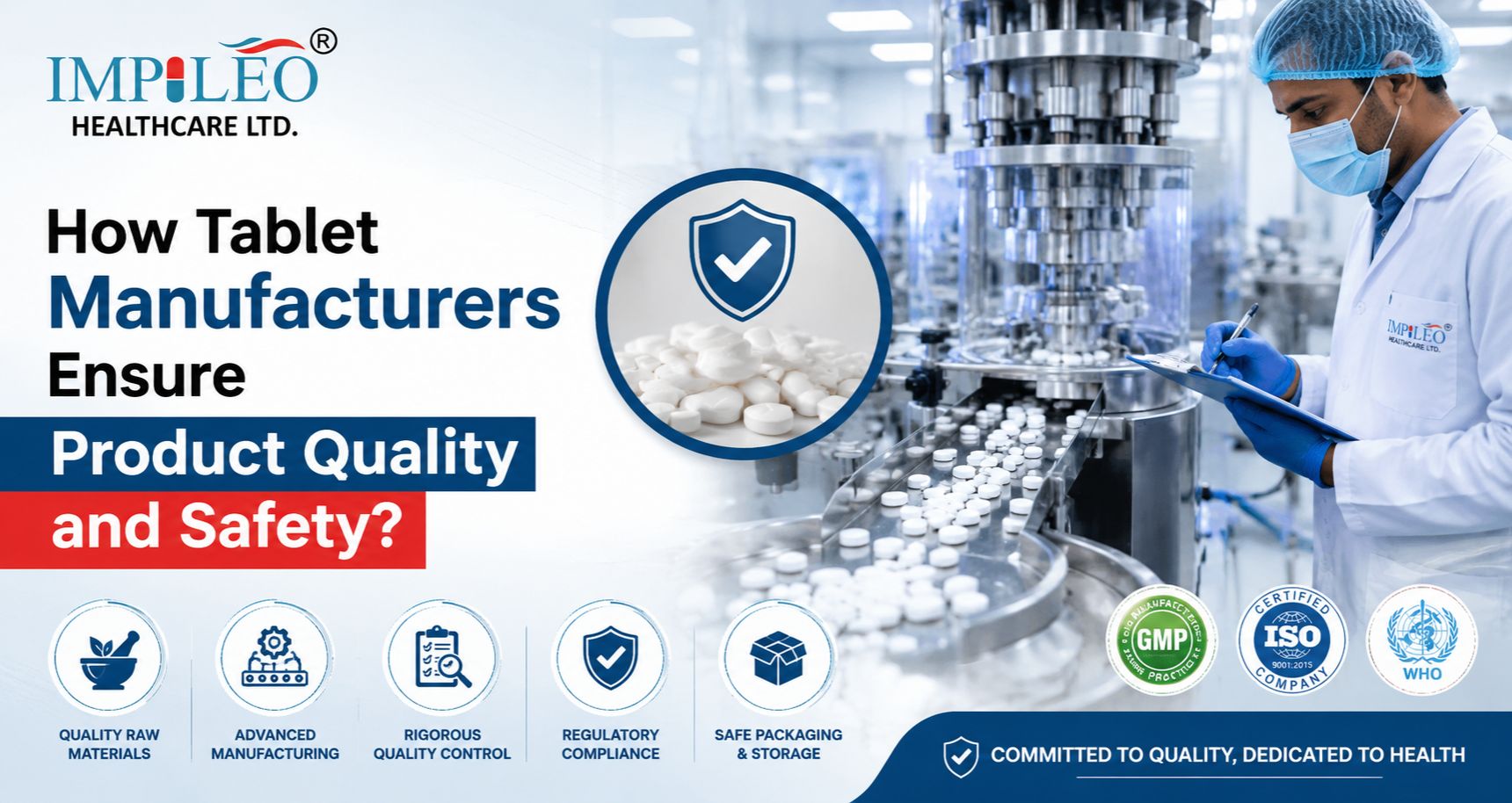
Tablets are among the most commonly used healthcare products worldwide. Whether they are nutritional supplements, herbal formulations, or pharmaceutical tablets, consumers expect them to be safe, effective, and consistent in quality. This is why Tablet Manufacturers follow strict quality control measures throughout the manufacturing process. From selecting raw materials to final packaging, every step is carefully monitored to ensure that each tablet meets safety and quality standards. Modern manufacturing facilities use advanced technology, trained professionals, and regulatory guidelines to maintain high-quality production and deliver products that consumers can trust.
Why Quality Standards Matter in Tablet Manufacturing?
Quality is the foundation of tablet manufacturing. A tablet must contain the correct ingredients, provide the intended benefits, and remain stable throughout its shelf life. Poor-quality products can lead to safety concerns, ineffective results, and loss of consumer trust.
Manufacturers follow Good Manufacturing Practices (GMP) to ensure consistency in production. GMP guidelines help companies maintain controlled processes, proper documentation, trained staff, and clean production environments. These standards are recognized globally and play a major role in ensuring product safety and reliability.
Selecting High Quality Raw Materials for Tablets
The quality of a tablet begins with its ingredients. Reputable manufacturers carefully source raw materials from trusted suppliers. Before production starts, every ingredient undergoes testing to verify its identity, purity, strength, and safety.
Raw materials are checked for contamination, moisture levels, and compliance with quality specifications. Only approved materials move forward to the production stage. This careful screening process reduces the risk of defects and ensures consistent product performance.
Following GMP Guidelines Throughout Production
Good Manufacturing Practices are essential for maintaining quality during tablet production. GMP requires manufacturers to establish clear procedures, validate manufacturing processes, maintain records, and ensure proper employee training.
Production areas must be clean and controlled to prevent contamination. Equipment is regularly inspected, calibrated, and maintained. Every manufacturing step is documented to ensure complete traceability. These measures help manufacturers produce tablets that consistently meet quality requirements.
Advanced Equipment Improves Product Consistency
Modern tablet manufacturing facilities use advanced machinery to achieve accurate and consistent production. Automated systems help control ingredient weighing, blending, granulation, compression, and coating processes.
Precision equipment reduces human error and ensures that every tablet has the correct weight, hardness, and composition. Automated monitoring systems also help manufacturers identify potential issues before they affect product quality. Advanced technology plays a key role in maintaining production efficiency and product consistency.
Quality Testing During Every Manufacturing Stage
Quality testing is not limited to the finished product. Manufacturers perform checks at multiple stages of production to identify and correct issues early.
During manufacturing, tablets are tested for:
- Weight variation
- Hardness
- Thickness
- Disintegration time
- Dissolution performance
- Content uniformity
These tests help ensure that tablets meet established specifications and deliver consistent results. Continuous monitoring throughout production helps maintain quality and reduces the risk of product failures.
Maintaining Clean Facilities and Safe Environments
A clean manufacturing environment is essential for producing safe tablets. Production facilities follow strict hygiene and sanitation procedures to prevent contamination.
Air filtration systems, controlled temperature conditions, protective clothing, and routine cleaning schedules help maintain a safe environment. Employees receive regular training on hygiene practices and quality procedures. These measures minimize contamination risks and support high manufacturing standards.
Batch Documentation Supports Complete Traceability
Accurate documentation is a critical part of quality assurance. Manufacturers maintain detailed records for every batch produced. These records include raw material information, production parameters, testing results, and packaging details.
Batch documentation allows manufacturers to trace every product back to its source materials and manufacturing conditions. If any issue arises, records help identify the cause quickly and support corrective actions. Proper documentation is a key requirement of GMP compliance.
Packaging Controls Protect Tablet Safety and Quality
Quality assurance continues even after tablets are manufactured. Proper packaging protects tablets from moisture, light, contamination, and physical damage during storage and transportation.
Manufacturers carefully inspect packaging materials and labeling before use. Packaging lines are monitored to ensure that products are correctly labeled and sealed. These controls help maintain product integrity and provide consumers with accurate information about the product.
Regulatory Audits Help Maintain Industry Standards
Regulatory inspections and audits play an important role in maintaining quality standards across the industry. Manufacturers must demonstrate compliance with GMP requirements and quality regulations.
Regular inspections evaluate production processes, documentation systems, quality control procedures, and facility conditions. Companies that maintain strong quality systems are better positioned to meet regulatory expectations and deliver safe products to the market. Recent regulatory actions worldwide continue to highlight the importance of strict quality compliance in pharmaceutical and nutraceutical manufacturing.
How Leading Tablet Manufacturers Build Consumer Trust?
Consumer trust is earned through consistent quality and product safety. Leading manufacturers invest in advanced technology, skilled professionals, strict testing procedures, and continuous improvement programs.
Companies such as Impileo Healthcare Ltd. understand that maintaining quality is not just about meeting regulations. It is about delivering products that consumers can depend on every day. By focusing on quality at every stage of production, manufacturers can build long-term credibility and support better consumer outcomes.
Conclusion
Quality and safety are essential in tablet manufacturing. From sourcing premium raw materials to conducting rigorous testing and following GMP guidelines, manufacturers use multiple layers of control to ensure product excellence. Advanced equipment, clean facilities, proper documentation, and regulatory compliance all contribute to producing safe and reliable tablets.
As the healthcare and nutraceutical industries continue to grow, trusted Tablet Manufacturers in India will remain focused on delivering high-quality products that meet consumer expectations and industry standards. Manufacturers like Impileo Healthcare Ltd. continue to strengthen quality systems and adopt modern practices to ensure safe, effective, and dependable tablet production.
Frequently Asked Questions
1. How do tablet manufacturers ensure product quality?
Tablet manufacturers ensure quality by testing raw materials, following GMP guidelines, monitoring production processes, conducting quality checks, and performing final product testing before release.
2. What is GMP in tablet manufacturing?
GMP stands for Good Manufacturing Practices. It is a set of guidelines that helps manufacturers produce safe, consistent, and high-quality products through controlled manufacturing processes.
3. Why is raw material testing important?
Raw material testing helps verify the purity, identity, and safety of ingredients before production begins, reducing the risk of contamination and quality issues.
4. What quality tests are performed on tablets?
Common tests include weight variation, hardness, thickness, disintegration, dissolution, and content uniformity testing to ensure consistent product performance.
5. Why is documentation important in tablet manufacturing?
Documentation provides complete traceability for every batch, supports regulatory compliance, and helps manufacturers quickly identify and resolve quality-related issues.